

Natural Ways to Reduce Pain and Inflammation During Winter
Winter in New Zealand has a way of settling deep into the body. The colder, damp conditions can leave many people feeling sluggish, stiff, and unable to properly warm up. For some, it means cold hands and feet. For others, it means more noticeable achy joints, reduced mobility, and a flare up of arthritis symptoms.
While winter wellness often focuses on immunity, circulation plays an equally important role in how we feel. Good circulation helps deliver oxygen and nutrients throughout the body, supports energy levels, and keeps us warm. It can also influence how well our bodies manage pain and inflammation.
If you're looking for natural remedies for pain or natural remedies for arthritis, supporting circulation is a great place to start.
Why Do Achy Joints Feel Worse in Winter?
Many people notice that arthritis, old injuries, and general joint discomfort become more noticeable during colder months. While the exact reasons are still being studied, cold weather may affect circulation and increase sensitivity in already inflamed tissues.
When blood flow slows, tissues receive less oxygen and nourishment, which can contribute to stiffness and discomfort. Combined with reduced physical activity and cooler temperatures, it's easy to see why achy joints often become a common winter complaint.
The good news is that simple lifestyle changes, warming foods, and herbal support can help encourage circulation and reduce inflammation naturally.
Herbal Support for Pain and Inflammation
Herbal medicine has a long history of supporting circulation, mobility, and comfort during the colder months. Many herbs work on multiple systems at once, helping the body restore balance rather than simply masking symptoms.
Ginger: A Natural Winter Warmer
Ginger is one of the most effective and accessible herbs for supporting circulation. It helps increase blood flow to the extremities, making it particularly useful for people who struggle with cold hands and feet.
Ginger also offers mild anti inflammatory properties, making it one of the most useful natural remedies for pain associated with stiffness and minor joint discomfort. As an added bonus, it supports healthy digestion, which can often slow down during winter.
Turmeric: Supporting Healthy Inflammation Levels
Turmeric has become one of the most widely researched herbs for supporting a healthy inflammatory response. Rather than providing a quick fix, turmeric works gradually to help regulate inflammation throughout the body.
This makes it especially beneficial for people dealing with arthritis, persistent joint pain, and ongoing winter stiffness. For many, turmeric has become a cornerstone among natural remedies for arthritis due to its ability to support long term joint comfort.
Prickly Ash: Encouraging Movement and Warmth
Prickly ash is a traditional circulatory herb often used when there is a sensation of coldness, numbness, or stagnation. It helps stimulate blood flow and restore warmth to areas that feel undernourished or sluggish.
Combined with warming herbs such as ginger, it can be a valuable tool for supporting circulation during winter.
The Often Forgotten Link Between Circulation and Energy
Circulation isn't only about warmth. Healthy blood flow also depends on healthy blood quality.
Iron plays an essential role in transporting oxygen around the body and can influence both energy levels and body temperature. This is particularly important for women, who are more likely to experience low iron levels.
Herbs such as nettle, codonopsis, and withania have traditionally been used to support vitality and healthy blood function, alongside addressing any underlying nutritional deficiencies.
Food as Medicine: Supporting the Body Through Winter
One of the simplest natural remedies for pain and inflammation may already be in your kitchen.
During winter, digestion naturally slows as the body prioritizes maintaining core temperature. Choosing warm, nourishing meals can help reduce digestive strain while improving nutrient absorption.
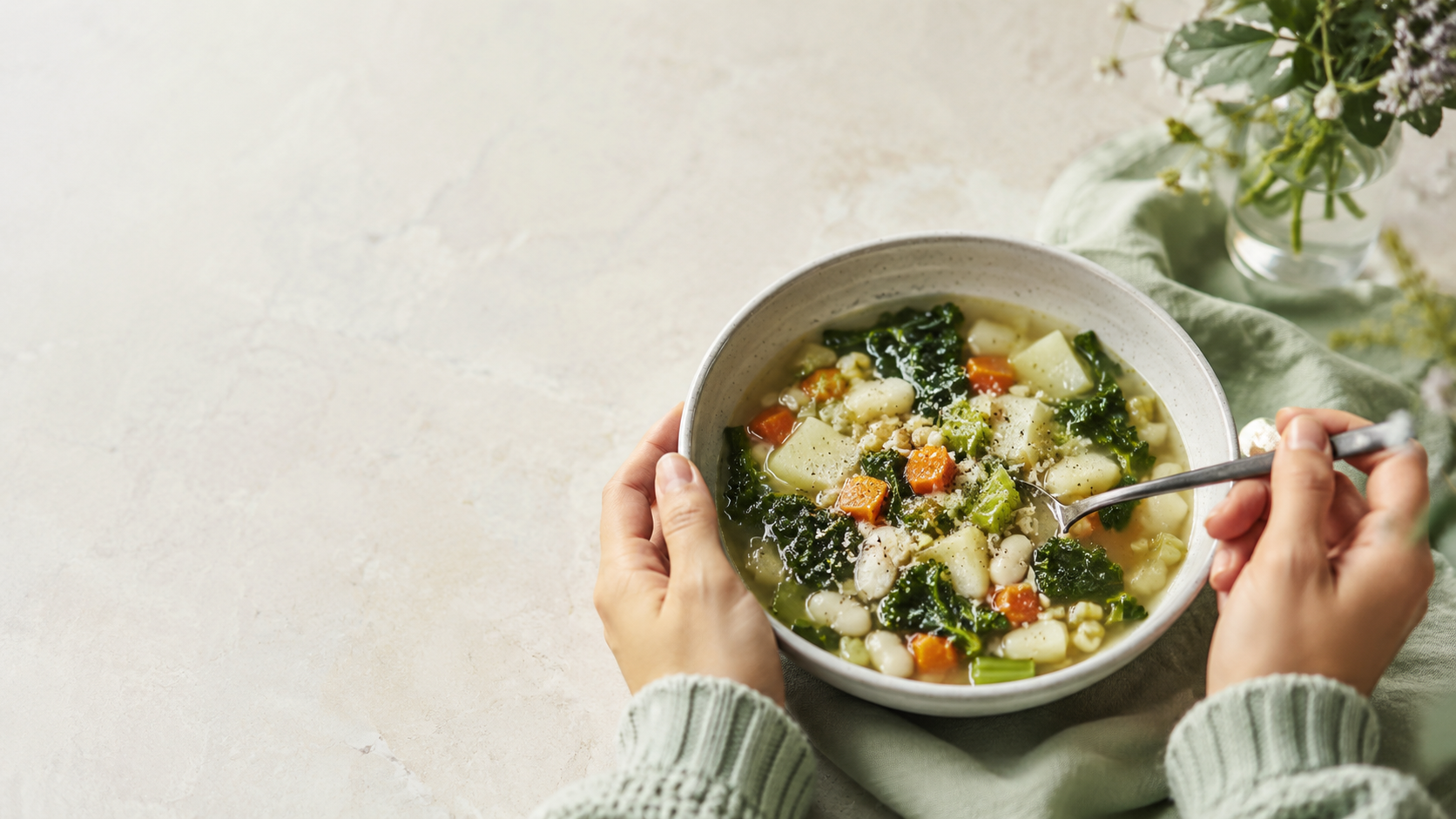
Slow cooked meals such as soups, broths, casseroles, and stews are ideal during colder months. The cooking process begins breaking down fibers and nutrients, making them easier for the body to absorb.
Adding warming spices can provide additional support. Consider including:
-
Cinnamon
-
Cardamom
-
Clove
-
Cumin
-
Black pepper
-
Ginger
These spices gently stimulate digestion and circulation while helping create warmth from within.
In contrast, large amounts of cold drinks, smoothies, and raw foods may leave some people feeling less energized during winter.
A Simple Daily Ritual for Winter Wellness
One of the easiest ways to support circulation and reduce inflammation is through a daily warming drink.
Turmeric and Ginger Elixir
Ingredients
-
2 cups water or milk
-
1 tablespoon freshly grated ginger
-
1 teaspoon turmeric
-
Small piece of cinnamon
-
Pinch of black pepper
-
Raw honey and lemon to taste
Method
Simmer the ginger, turmeric, and cinnamon in water or milk for 10 to 15 minutes. Strain, then add black pepper, honey, and lemon if desired.
Enjoy warm.
This simple tonic combines several traditional herbs known for supporting circulation, easing inflammation, and helping the body stay warm during winter.
Warming From Within
Winter discomfort is often about more than just the temperature outside. Reduced circulation, slower digestion, and increased inflammation can all contribute to feeling stiff, tired, and uncomfortable.
By incorporating warming herbs, nourishing foods, and simple daily rituals, you can support your body's natural ability to stay warm, mobile, and energized throughout the colder months.
Whether you're looking for natural remedies for pain, natural remedies for arthritis, or simply ways to ease achy joints during winter, small consistent changes can make a meaningful difference.